The 10 Things I'd Do to Get in the Best Shape of My Life in 2026
Michael Donovan, PhD
12/24/20258 min read
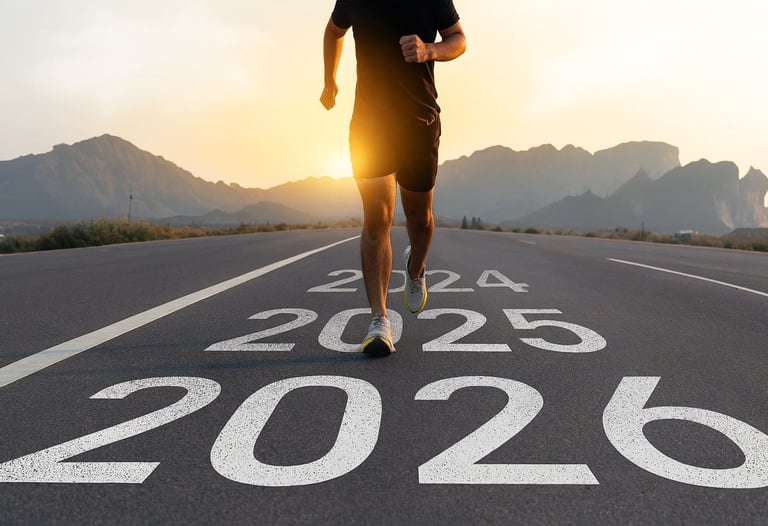
As we stand on the edge of a new year, there's something electric about the possibility of transformation. Not the superficial kind promised by quick fixes and miracle supplements, but real, lasting change that rewrites how we move through the world.
If I were starting from scratch tomorrow with the singular goal of getting into the best shape of my life by the end of 2026, here's exactly what I'd do.
1. Start with honest baseline measurements and regular progress tracking
The first thing I'd do, probably on January 2nd after the New Year's chaos settles, is take stock of where I'm actually starting from. Not where I wish I was, not where I used to be, but where I am right now. I'd take photos from multiple angles in consistent lighting, measure my waist, hips, chest, and arms, check my weight, and most importantly, record how I feel physically. Can I climb three flights of stairs without getting winded? Touch my toes? Do ten push-ups?
Then I'd schedule monthly check-ins with myself. Same lighting, same time of day, same measurements. Progress rarely feels linear when you're in it day to day, but when you look back over months, the patterns emerge. I'd keep a simple spreadsheet or use a notes app, nothing fancy, just consistent data points that tell the story of where I'm going.
The key here isn't obsessing over numbers, it's creating accountability to myself and celebrating incremental wins. Lost half an inch off my waist? That matters. Added five pounds to my deadlift? That counts. Slept better three nights this week than I did all month before? Huge victory.
2. Build a sustainable workout routine that I actually enjoy
Here's where most people get it wrong, myself included in past attempts. They pick the workout routine that sounds most impressive or that their favorite influencer swears by, regardless of whether they actually like doing it. Six months later, they've quit because forcing yourself to do something you hate is a recipe for failure.
In 2026, I'd experiment for the first month or two. Try a few different approaches: maybe some weightlifting sessions, a boxing class, swimming, cycling, yoga, rock climbing, or group fitness classes. I'd pay attention not just to which ones make me sore, but which ones make me excited to go back. Which ones fit naturally into my schedule? Which communities feel welcoming?
Once I found something that clicked, I'd commit to it at least three to four times per week. Consistency beats intensity every single time. I'd rather show up for a moderate 45-minute workout four times a week for a year than crush myself with brutal two-hour sessions twice a week and burn out by March.
For me personally, I think I'd land on a combination of strength training three times per week and one or two sessions of something more dynamic and fun, like playing basketball, going for hikes, or taking dance classes. Variety keeps things interesting while the strength training provides the foundation for everything else.
3. Hire a coach or trainer, even if just for a few months
This might be the biggest game-changer on the list. I'd invest in working with a qualified personal trainer or coach for at least the first three to six months. Not forever necessarily, though I might keep them longer if the relationship works well, but long enough to build proper form, create a personalized program, and establish good habits.
The value here isn't just about someone yelling motivational phrases at you while you do burpees. A good coach teaches you how to move correctly, which prevents injuries that could derail everything. They create programming that's specific to your goals, body, and limitations. They provide accountability on days when motivation is nowhere to be found. And perhaps most importantly, they accelerate your learning curve by months or even years.
I'd look for someone with proper certifications, experience working with people at my fitness level, and ideally some specialization in whatever type of training I'd chosen. The investment might feel significant upfront, maybe $200 to $500 per month depending on location and frequency, but compared to the cost of spinning my wheels for a year doing ineffective workouts, it's worth every penny.
4. Completely overhaul my relationship with food and nutrition
Getting in the best shape of my life isn't just about exercise, it's maybe 70% about what I eat. In 2026, I wouldn't go on a diet. I'd change my entire approach to food.
First, I'd focus on eating mostly whole, minimally processed foods. That means building meals around vegetables, fruits, lean proteins, whole grains, and healthy fats. I wouldn't completely eliminate foods I love, that's unsustainable and miserable, but I'd make them occasional treats rather than daily staples.
I'd learn to cook if I haven't already, or expand my repertoire if I have some basics down. Relying on takeout and restaurant meals makes it nearly impossible to control what goes into your body. I'd spend Sunday afternoons meal prepping some basics: grilled chicken, roasted vegetables, cooked quinoa or rice, chopped fruit. Not every meal needs to be pre-made, but having components ready makes healthy eating the path of least resistance during busy weekdays.
Protein would become a priority at every meal. It keeps you full, supports muscle growth and recovery, and helps maintain metabolism. I'd aim for about 0.7 to 1 gram per pound of body weight daily, adjusting based on how I feel and perform.
I'd also track my food for at least a month or two, not forever, but long enough to understand portion sizes and where my calories actually come from. Most people wildly underestimate how much they eat and don't realize how calorie-dense certain foods are. An app like MyFitnessPal takes ten minutes a day and provides invaluable education.
Finally, I'd drink more water. So much more water. Half my body weight in ounces as a baseline, more on workout days. Proper hydration affects everything from energy levels to recovery to appetite regulation.
5. Prioritize sleep like my fitness depends on it, because it does
This is the unsexy one that everyone ignores, but sleep is when your body actually recovers and builds muscle. All those hard workouts are just the stimulus, the adaptation happens while you're unconscious.
I'd commit to seven to nine hours per night, non-negotiable. That means working backward from when I need to wake up and protecting my bedtime accordingly. I'd create an evening wind-down routine: dimming lights an hour before bed, putting devices away, maybe reading or stretching, keeping the bedroom cool and dark.
I'd also pay attention to sleep quality, not just quantity. If I'm waking up exhausted despite eight hours in bed, something's wrong. Maybe it's caffeine too late in the day, alcohol disrupting sleep cycles, too much screen time before bed, or an underlying issue worth discussing with a doctor.
The difference between training on good sleep versus bad sleep is night and day. With proper rest, workouts feel energizing and you recover faster. Without it, everything is harder and injury risk skyrockets.
6. Address the mental and emotional aspects of fitness
Physical transformation requires mental transformation. I'd spend time examining my relationship with exercise, food, and my body. What stories am I telling myself? What beliefs might be holding me back?
I'd probably work with a therapist or counselor, especially if I have a history of disordered eating, body image issues, or using exercise as punishment. Getting in shape should enhance your life and mental health, not become another source of stress and self-criticism.
I'd also build in practices that support mental wellbeing: meditation, journaling, time in nature, nurturing relationships. Stress management matters because chronic stress elevates cortisol, which can interfere with fat loss, muscle building, and recovery.
I'd be kind to myself when I mess up, because I will mess up. Everyone does. The difference between people who succeed and those who don't isn't perfection, it's how quickly you get back on track after a setback. Miss a workout? Fine, hit the next one. Overeat at a party? Enjoy it and return to your normal eating the next day without guilt or compensatory restriction.
7. Find an accountability system that actually works for me
Willpower is finite and motivation comes and goes. What keeps you consistent is accountability, and I'd build multiple layers of it into my plan.
Maybe I'd find a workout partner whose schedule aligns with mine, someone equally committed who won't let me skip sessions. Or join a class with a regular community where people notice when you're absent. I might share my goals with close friends and family, post occasional updates on social media, or join an online fitness community.
I'd also consider some form of commitment device. Maybe I'd sign up and pay for a series of training sessions upfront, creating financial incentive not to waste them. Or register for a race or fitness event in six months, giving me a concrete goal to train toward.
The key is finding what creates enough external pressure to get you started on days when internal motivation is lacking, without becoming so stressful that it backfires.
8. Incorporate mobility work and active recovery
In previous attempts to get fit, I've made the mistake of thinking more is always better. Harder workouts, more sessions, pushing through pain and fatigue. That's how you get injured, burned out, and sidelined.
In 2026, I'd dedicate at least two or three sessions per week to mobility work, stretching, foam rolling, and active recovery. This might look like a yoga class, a dedicated stretching routine, a leisurely bike ride, or a walk in nature.
This serves multiple purposes. It helps prevent injury by keeping muscles flexible and joints healthy. It promotes recovery by increasing blood flow without adding significant stress. And it provides mental breaks from intense training while still supporting fitness goals.
I'd pay special attention to areas that are commonly tight or problematic: hips, shoulders, ankles, and the thoracic spine. Better mobility means better movement patterns in your main workouts, which means better results and lower injury risk.
9. Eliminate or drastically reduce alcohol consumption
This one's uncomfortable for many people, but alcohol is genuinely terrible for fitness goals. It disrupts sleep quality, impairs recovery, is empty calories that don't satiate, lowers inhibitions around food choices, and can interfere with muscle protein synthesis.
I wouldn't necessarily go completely alcohol-free for the entire year, though that would probably yield the best results. But I'd get very intentional about it. Maybe I'd limit myself to one or two drinks per week on special occasions, or do extended dry periods like Dry January followed by a sober curious approach.
The difference in how you feel, perform, and look when you remove alcohol is dramatic. Energy levels stabilize, sleep improves, you stop accumulating empty calories, and recovery accelerates. For anyone serious about transformation, this is low-hanging fruit worth picking.
10. Remember that this is a lifestyle, not a temporary project
The final thing I'd do, the thing that would make everything else sustainable, is approach this as a permanent lifestyle change rather than a one-year challenge. I'm not getting in great shape for 2026 and then going back to old habits in 2027. I'm becoming the person who maintains great shape for life.
That means making choices I can sustain indefinitely. Not starving myself on 1200 calories a day, but finding the appropriate calorie level for my goals that still lets me enjoy food and have energy. Not working out two hours a day seven days a week, but finding a routine that fits into my real life with work, family, and other commitments. Not eliminating entire food groups or swearing off social events, but learning moderation and balance.
It means understanding that maintaining great shape is actually easier than getting there. Once you've built the muscle, established the habits, and transformed your relationship with fitness and nutrition, you can ease up slightly on the intensity while keeping the consistency.
It means celebrating non-scale victories: how you feel in your clothes, your energy levels, what your body can do, how you show up in your life. The aesthetic changes are wonderful, but they're the bonus, not the point.
Getting in the best shape of your life isn't about perfection or punishment. It's about showing up for yourself consistently, making choices that support your goals more often than not, and being patient with the process. It's about building a version of fitness that enhances your life rather than consuming it.
If I commit to these ten things throughout 2026, I know by the time I'm celebrating New Year's Eve heading into 2027, I'll be looking and feeling better than I ever have. More importantly, I'll have built a foundation that lasts not just for one year, but for decades to come.
The best time to start was ten years ago. The second best time is January 1st, 2026. Let's do this.